


For founder Kip Dornhorst, the idea behind Aderra at Audubon was never about building another typical senior housing option. It was about answering a question he had watched families struggle with for years: what happens when aging parents want to stay in their own home, but living completely on their own becomes harder without assistance?
In 2010, after spending three decades in the paper industry, Dornhorst felt called to open a senior living facility. This move placed him inside traditional assisted living and memory care models for nearly a decade.
That period revealed not only the system’s failures, but also what families were lacking. Seniors didn’t want to leave their homes; families weren’t able to deal with constant emergencies, and neither wanted relationships to fracture under the weight of these decisions or circumstances.
That realization became the foundation for Aderra at Audubon. Aderra is a 62-plus community designed to support aging in place by pairing private homeownership with built-in services, safety, human connection and support available when needed.
Services and support that shows up before a crisis
At the heart of Aderra is a membership-based model that removes many of the daily and emotional stressors families face as parents age.
Residents receive three meals a day, which are delivered to their homes or enjoyed together at the Aderra clubhouse. They also receive biweekly housekeeping, lawn care, bundled utilities, Home Owners Association fees, scheduled transportation and light duty maintenance.
Equally important is what happens when something goes wrong.
Overnight security guards can respond quickly to situations that might otherwise escalate into full emergencies. If 911 has been or is called, security is often alerted and arrives to assess the situation. They stay with the resident while family members are notified, and until the ambulance arrives.
“It lets [security staff] get on the phone and explain to emergency services how serious and how fast they need them [to get there],” Dornhorst said.
The result is not just cost savings, but peace of mind for both residents and their families.
Small, everyday problems are handled the same way. A maintenance issue, a transportation need, or a plumbing concern doesn’t require calling a stranger or navigating confusing service appointments.
Residents make one call, and help arrives.
Homes designed for real life, both now and later
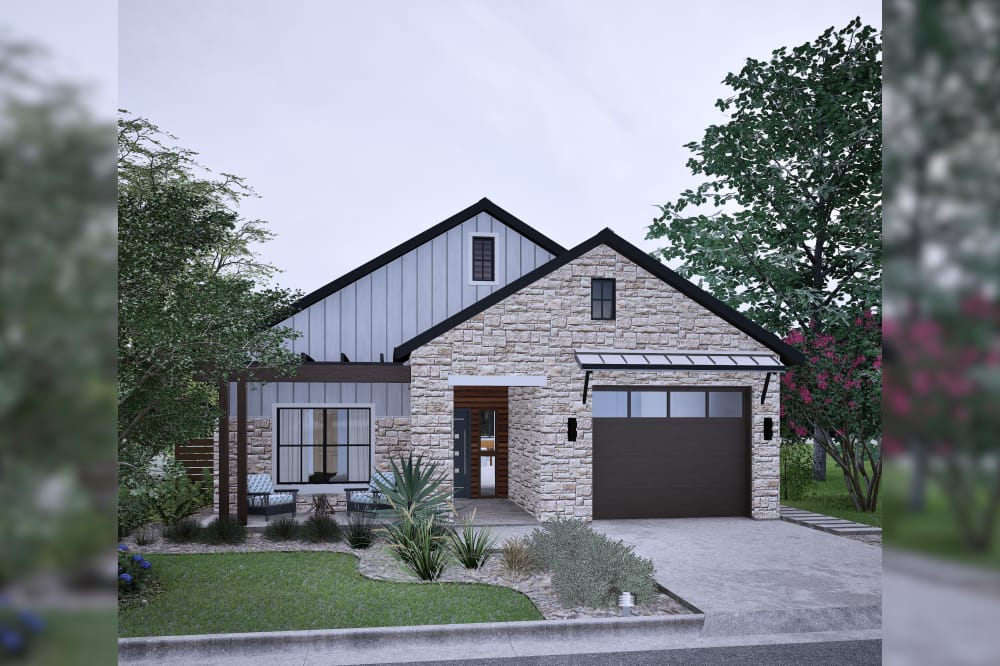
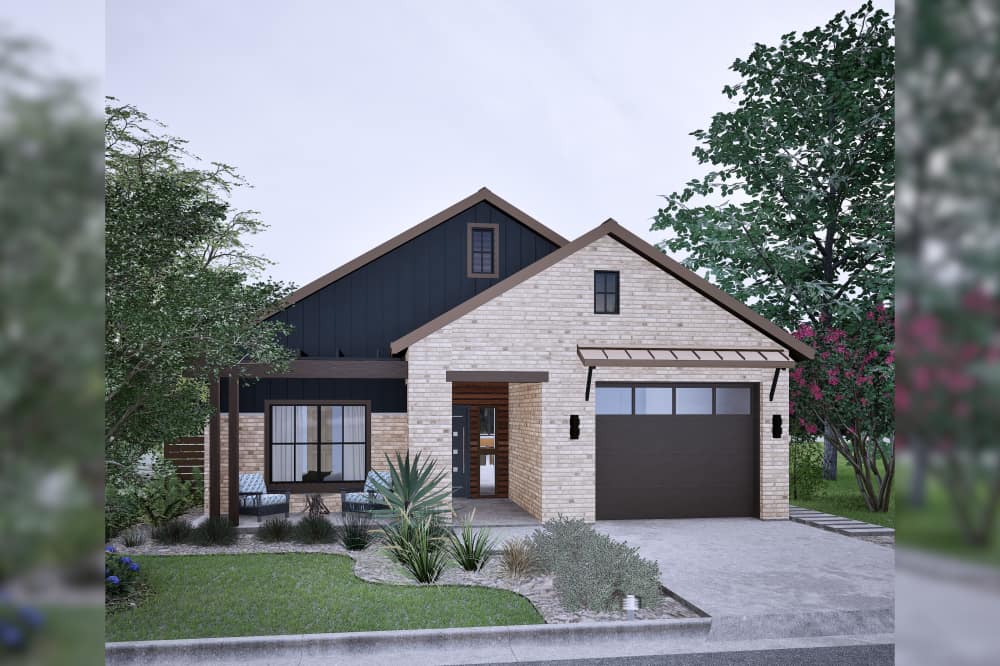
The physical design of Aderra’s homes reflects the same forward-thinking philosophy. Ranging from 1,300 to 1,700 square feet, each home is intentionally planned to adapt as residents’ needs change.
From the start, TKG Developments include wide hallways, larger showers and fall-reduction features, such as a space to insert a grab bar. Bedrooms are arranged to allow couples to sleep separately if needed, while still remaining close enough to hear one another. Joint bathrooms offer both space and flexibility, functioning like a luxury suite today and a practical support system later.
“If we can have those [features] available in the house they’re in, we can support them in aging in place independently, in their own home,” Dornhorst said. “And if they develop memory issues, they’re already somewhere familiar.”
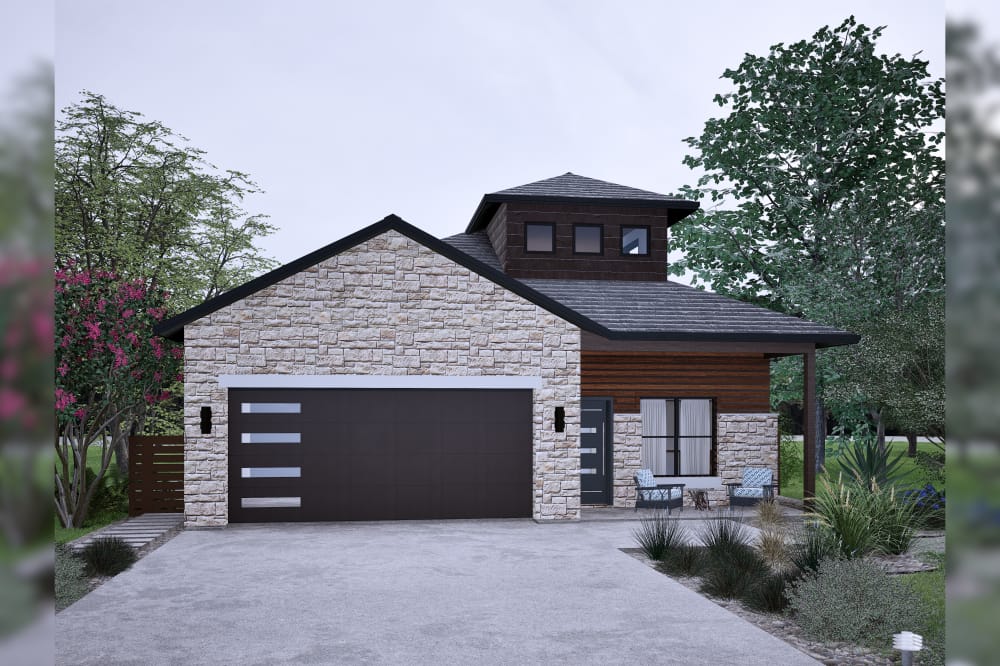
Homes are clustered closely together within the Audubon master-planned community. This design allows staff to get there quicker and residents to stay connected to neighbors while benefiting from shared amenities, walking trails and green spaces.
“They have a tremendous amount of amenities available to them, whether they like to watch birds, walk on trails or take the grandkids to the pool,” Dornhorst said. “The list is very long.”
When family dynamics get complicated
Many of the challenges Aderra aims to solve aren’t medical; they’re relational.
Over time, Dornhorst observed how everyday situations often signal deeper issues: the call about a misplaced dog leash, the unexplained scrape on the car, the growing hesitation around driving.
“You get away with it once or twice,” he said. “Then you start saying to yourself, ‘She’s not calling about the dog leash; she’s calling because she’s lonely and wants somebody to come see her.’”
As those moments add up, families enter roles they’re unprepared for: deciding when to take away car keys, how often to check in or which sibling should step in as power of attorney.
“When the kids get hit with trying to make these decisions, and [the senior] doesn’t like the decisions being made, that’s when everything goes haywire,” Dornhorst said.
At Aderra, support is built into daily life, reducing the need for constant family intervention. Visits become a choice, not a crisis response.
“Now [families] go over because they choose to go over to enjoy a football game or some of mom’s cooking,” Dornhorst said.
Independence that preserves dignity and legacy
Unlike assisted living, where monthly costs can quickly deplete savings, Aderra residents own their homes. As services remain predictable, equity continues to grow, offering both security for residents and peace of mind for their families.
“This is a great decision whether it’s financial, about downsizing, controlling budgets or simply about improving quality of life,” Dornhorst said.
Looking forward, Dornhorst hopes the community reshapes how people think about aging: not as a sudden transition, but as a supported chapter that allows seniors to remain home as long as possible, and stay connected to family and in control of their lives.
Homes start in the low 300Ks. Click here to learn more about Aderra at Audubon or to schedule a community tour today.
The above story was produced by Multi-Platform Journalist Sydney Heller with Community Impact’s Storytelling team with information solely provided by the local business as part of their “sponsored content” purchase through our advertising team.