


When it rains, water doesn’t simply disappear; it flows through neighborhoods, streets and drainage systems before eventually reaching creeks, rivers and even drinking water sources.
That means what enters storm drains in Pearland, from trash and oil to chemicals and sediment, can have a direct impact on the environment and water quality both locally and downstream.
To protect those resources, the city has a stormwater committee with participants that span multiple departments, all working toward a shared goal: keeping waterways clean, safe and sustainable.
A citywide effort
In Pearland, the Engineering, Environmental Services, Drainage, Parks and Recreation, Code Enforcement, Fire Marshals Office, and Right of Way departments are involved in stormwater management.
Together, these teams operate under the city’s Municipal Separate Storm Sewer System (MS4) permit. The permit outlines requirements for monitoring, maintenance, education and enforcement.
Department roles include:
- Drainage crews: maintain ditches and culverts to prevent blockages and flooding
- Engineering inspectors: check detention ponds and city facilities for compliance
- Environmental Services staff: inspect businesses to ensure wastewater and solid waste are handled properly, and educate the community on protecting water
- Fire marshals and Code Enforcement: investigate and enforce violations when necessary
- Right of Way: ensures ponds are maintained
- Parks and Recreation: maintains parks and organizes educational community events
“It’s a collaborative effort,” environmental services superintendent Laurie Rodriguez said. “We all work together so we can ensure that we’re protecting our city’s waterways.”
What inspectors look for
Stormwater inspections vary depending on the site.
“At construction sites, we’re looking to make sure there is no sediment going into the pipes or into the ditches,” said Sasha Buchheit, engineering department stormwater and floodplain supervisor.
Without proper controls, such as silt fences or barriers, loose soil can clog pipes and ditches, increasing the risk of flooding and introducing bacteria into waterways.
“Soil is very laden with bacteria,” Rodriguez said. “When there is a lot of soil runoff, in addition to the obstruction it can cause, it introduces more bacteria to these waterways.”
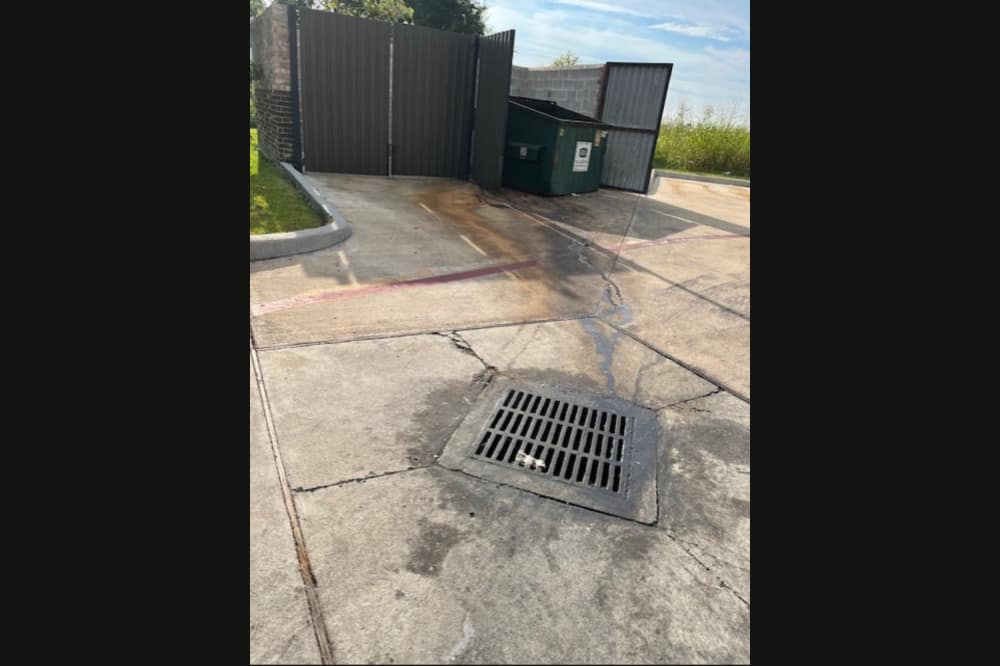
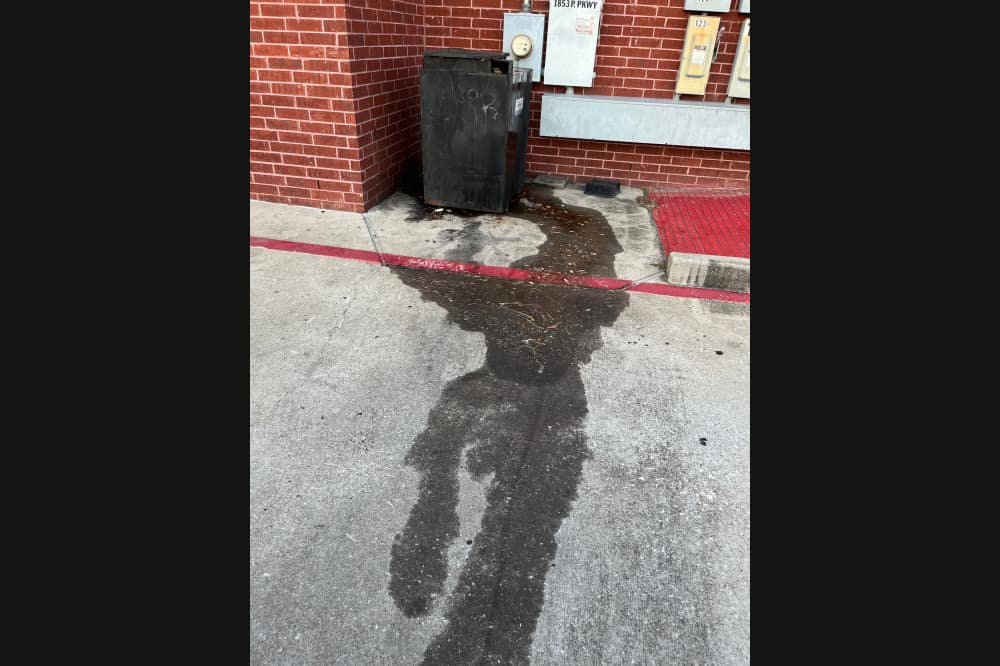
At businesses, inspections expand to include a wider range of potential pollutants. City staff look for signs of grease spills, improper chemical storage, exposed metals that can rust and evidence that wastewater is being dumped outside instead of into proper systems.
“We look for anything that can be a pollutant in the waterways,” Rodriguez said.
Education first; enforcement when needed
While regulations are in place, city staff said that their first priority is education.
“My goal is to educate, not to fine everyone for every little thing that they do wrong,” Rodriguez said. “We want them to look at the city as a partner instead of an enforcer.”
In many cases, violations stem from a lack of awareness rather than intentional wrongdoing.
Staff often work directly with residents and businesses to explain proper practices and help them come into compliance. However, repeated violations or serious issues can lead to enforcement actions, including citations or business shutdowns in extreme cases.
Why it matters
While stormwater management may seem technical, its impact is far-reaching.
Pollution from trash, oil or chemicals can harm aquatic ecosystems, affecting animal and plant life. It can also impact water quality downstream, where stormwater may eventually contribute to drinking water supplies.
City officials emphasized that protecting waterways is ultimately about preserving quality of life for both residents and the environment.
“We’re trying to provide a sustainable future for everyone,” Rodriguez said. “We want to keep our city looking nice, and we want to make sure that our waterways are protected for everyone to enjoy both now and in the future.”
How residents can help
While the City of Pearland leads stormwater management efforts, officials said protecting local waterways is a shared responsibility.
Small, everyday actions can make a big difference, including:
- Dispose of waste properly: never pour paint, oil, or grease down storm or sanitary sewer drains, or onto the ground
- Pick up pet waste: leaving it behind can introduce harmful bacteria into waterways during rain
- Keep areas clean: prevent trash and debris from washing into streets and drainage systems
Reaching the community
Public outreach is a key part of Pearland’s stormwater program.
City teams participate in community events, visit schools and provide educational materials for residents of all ages. These efforts range from classroom presentations to interactive booths at local festivals.
On April 11, the city attended Spring Fest at Independence Park, and they will attend the Earth Day event at Stella Robert’s Recycling Center on April 25.
Residents can learn simple steps that help protect local waterways through these events.
Looking ahead
As Pearland continues to grow, stormwater management will remain a priority. The city aims to protect its waterways today while preparing for future needs by combining education, inspection and collaboration across departments.
For residents, that means cleaner neighborhoods, healthier ecosystems, proactive flood reduction efforts and a more sustainable water supply for years to come.
Click here to learn more about Pearland Engineering, or click here to learn more about Pearland Environmental Services today.
The above story was produced by Senior Multi-Platform Journalist Sydney Heller with Community Impact’s Storytelling team with information solely provided by the local business as part of their “sponsored content” purchase through our advertising team.