


LOVE IS IN THE AIR
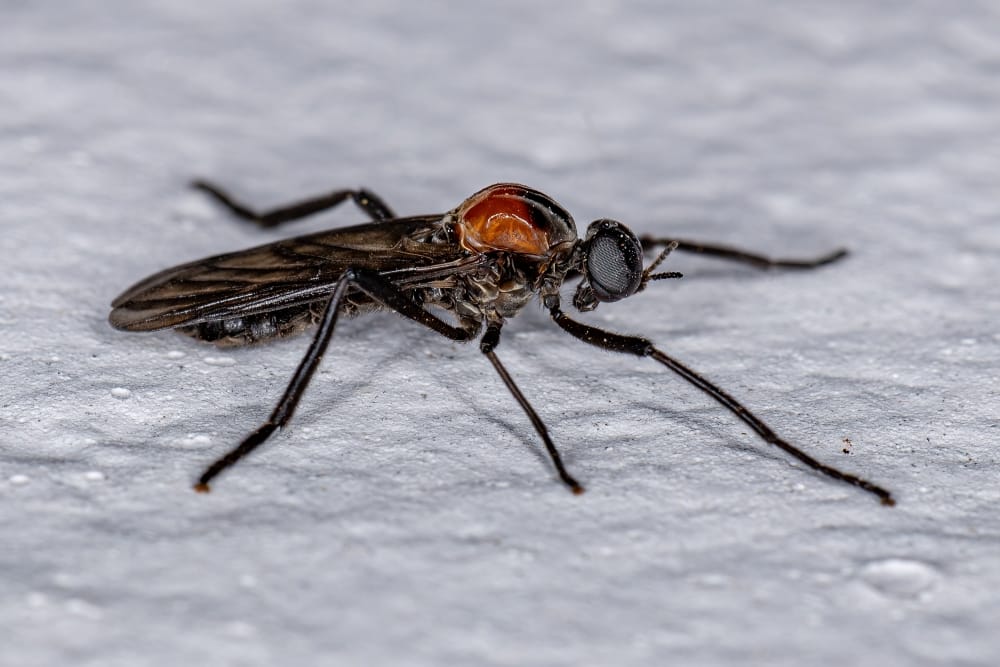
Every fall, in the Houston area, love is in the air but I’m not
talking about romantic strolls on the beach or candlelit dinners. I’m talking
about the small black insects that fly around glued to their partner. Everyone
refers to them as lovebugs, the scientific name being Pecia nearctica.
Lovebugs, also known as honeymoon flies, are small black flies with
distinctive red-orange thoraxes and smoky-colored wings. You can expect to see
them twice a year, in the spring and in the fall although I have to say I
rarely see any in the spring. In the fall you will start seeing them in August or
September. Expect to continue seeing them for 4 or 5 weeks after the first
sighting.
The
lovebug undergoes four stages in its life cycle. The process begins when
females lay their eggs in decaying vegetation, with a single female capable of
depositing up to 600 eggs. These eggs hatch into larvae, which are small,
worm-like creatures. This is the longest stage of development, lasting several
months, during which the larvae feed on decomposing plant material. This
feeding helps recycle organic matter, making it ecologically beneficial.
The
larvae eventually enter the pupal stage, which lasts for about a week.
Afterward, they emerge as adults, prepared to reproduce. Once the male
transfers sperm to the female, he soon dies. The pair may separate, or the
female may remain briefly attached to his body before laying her eggs and dying
as well—thus continuing the cycle. During their time together, adult lovebugs
feed on nectar and pollen. Their adult phase is short, lasting only a few days,
but in death, their decomposing bodies enrich the soil and return vital
nutrients to the ecosystem..
Lovebugs may not bite, sting, or spread disease, but they can still
cause plenty of trouble—especially for drivers. Drawn to heat and the chemicals
in car exhaust, they often swarm near highways and end up splattering across
windshields. Not only does this reduce visibility, but their acidic body fluids
can damage paint if left uncleaned. In large numbers, lovebugs can even clog
radiator fins, which may cause the engine to overheat. Harmless to people but
tough on cars, these pesky insects are more nuisance than threat.
While
lovebugs can be a real nuisance—splattering on windshields, clustering around
doorways, and landing on you at the worst times—they also play a role in
keeping ecosystems healthy. Their life cycle returns nutrients to the soil, and
their short-lived swarms are part of nature’s rhythm. Annoying as they may be,
at least they don’t bite, sting, or stick around all year. Compared to
mosquitoes or fire ants, a few weeks of lovebugs is just a temporary
inconvenience we can all survive. 
Copyright Montgomery County News.. All rights reserved.