


For the first time in over a decade, there is no incumbent in the Texas attorney general’s race as Republican Ken Paxton runs for U.S. Senate. Candidates on both sides of the aisle will compete in runoff elections May 26 after no candidate received more than 50% of the vote in the March 3 primaries.
State Sen. Nathan Johnson, D-Dallas, and former Galveston Mayor Joe Jaworski are vying for the Democratic nomination.
The overview
In a three-way primary race, Johnson secured 48% of the vote while Jaworski received 26% of the vote. The winner of the May 26 overtime round will face the Republican nominee and potential third-party candidates in November.
Republicans currently hold all statewide offices on the ballot, and no Democrat or third-party candidate has won a statewide office in Texas since 1994, election records show.
The attorney general serves as Texas’ top lawyer, defending the state in court, filing consumer protection lawsuits and issuing opinions interpreting state law. The agency also enforces Texas’ child support laws, investigates human trafficking cases and manages access to public records.
Preparing for the polls
Texans can vote early in the runoff election from May 18-22. Runoff elections, like primaries, are separated by political party, meaning Texans who voted in one party’s primary this March may only vote in the same party’s runoff. Individuals who did not participate in the March primaries or a third-party nominating convention can vote in either party’s runoff this May.
Runoff election day is May 26. For more information about the state and local races on your runoff ballot, visit communityimpact.com/election.
What you need to know
The original version of this election questionnaire was published Jan. 21, ahead of the March 3 primary election. Community Impact is republishing Q&As for five statewide runoff races, with the goal of providing a side-by-side, equitable resource for Texas voters to review candidates’ perspectives as they prepare to head to the polls this month.
This Q&A was updated to remove Tony Box, a Democratic candidate who did not advance to the May 26 runoff. Candidates’ answers were not changed from the originally published article.
Candidates were asked to keep responses under 50 words, answer the questions provided and avoid attacking opponents. Answers may have been minimally edited or cut to adhere to those guidelines, or for style and clarity.
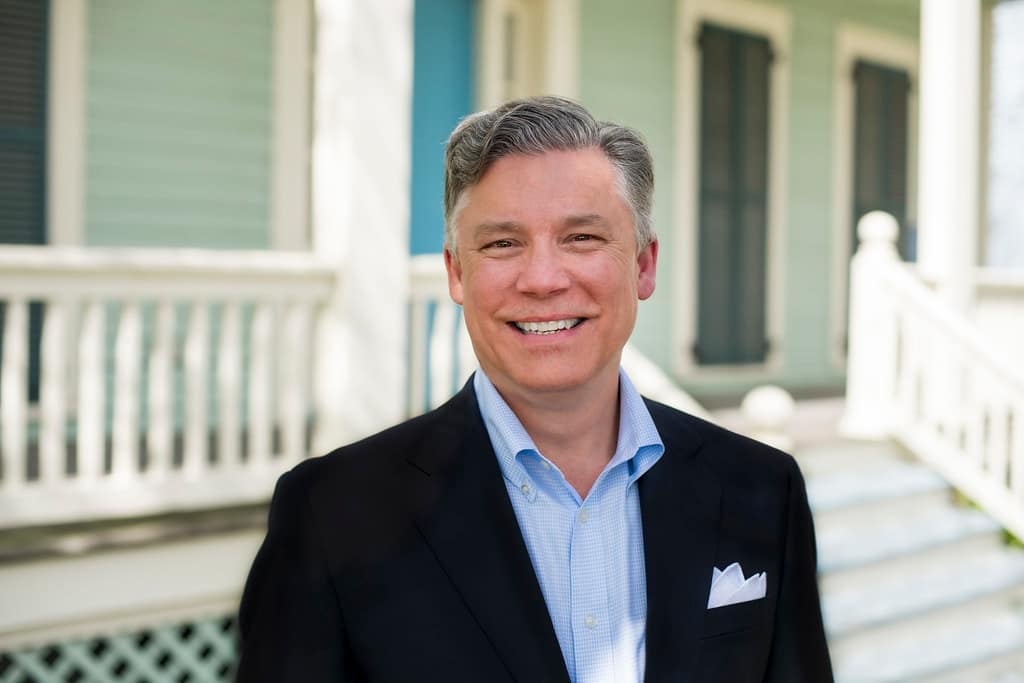
What would your top priorities be if elected?
Affordability: Use laws and the power of government to help young adult Texans afford the American Dream. Encourage voting: Register to vote every high school senior. Prosecute the corrupt: Investigate, expose and prosecute corruption in government, limit politicians’ campaign contributions, and establish term limits for all elected officials.
What would you like to see the Office of the Attorney General do in collaboration with local law enforcement and local government attorneys?
I’d respect local officials’ duties, and let them lead. Also, I’d partner with local District Attorneys to prosecute corruption in state political office. Additionally, I’d join county attorneys to sue polluters. Finally, I’d work with School Boards to end vouchers and force the legislature to suitably provide for public education.
What priorities would you focus on when it comes to the OAG’s goal of promoting transparency and public access to government?
As former mayor of Galveston who championed transparent, open government, and as a skilled attorney in Open Records/Open Meetings Act matters, I would lead the OAG to demand open and transparent government at all levels. I will not help state or local government hide their records.
How would you decide which litigation to pursue on behalf of the state?
I’ll pursue litigation if it helps make people’s lives more affordable or if it protects the civil rights of the 32 million Texans I represent. I will not sue to score political points in my primary re-election contest. That waste of resources, that disrespect of the people’s government ends now.
What do you see as the greatest challenge for Texas in the next five years?
Reversing the privatization of public education, saving our natural resources (water, land) from for profit exploitation, and limiting the power of billionaires who exert influence over the people’s government. Republican one party control for three decades brought us here. Voters should elect Democrats in 2026 to restore balance.
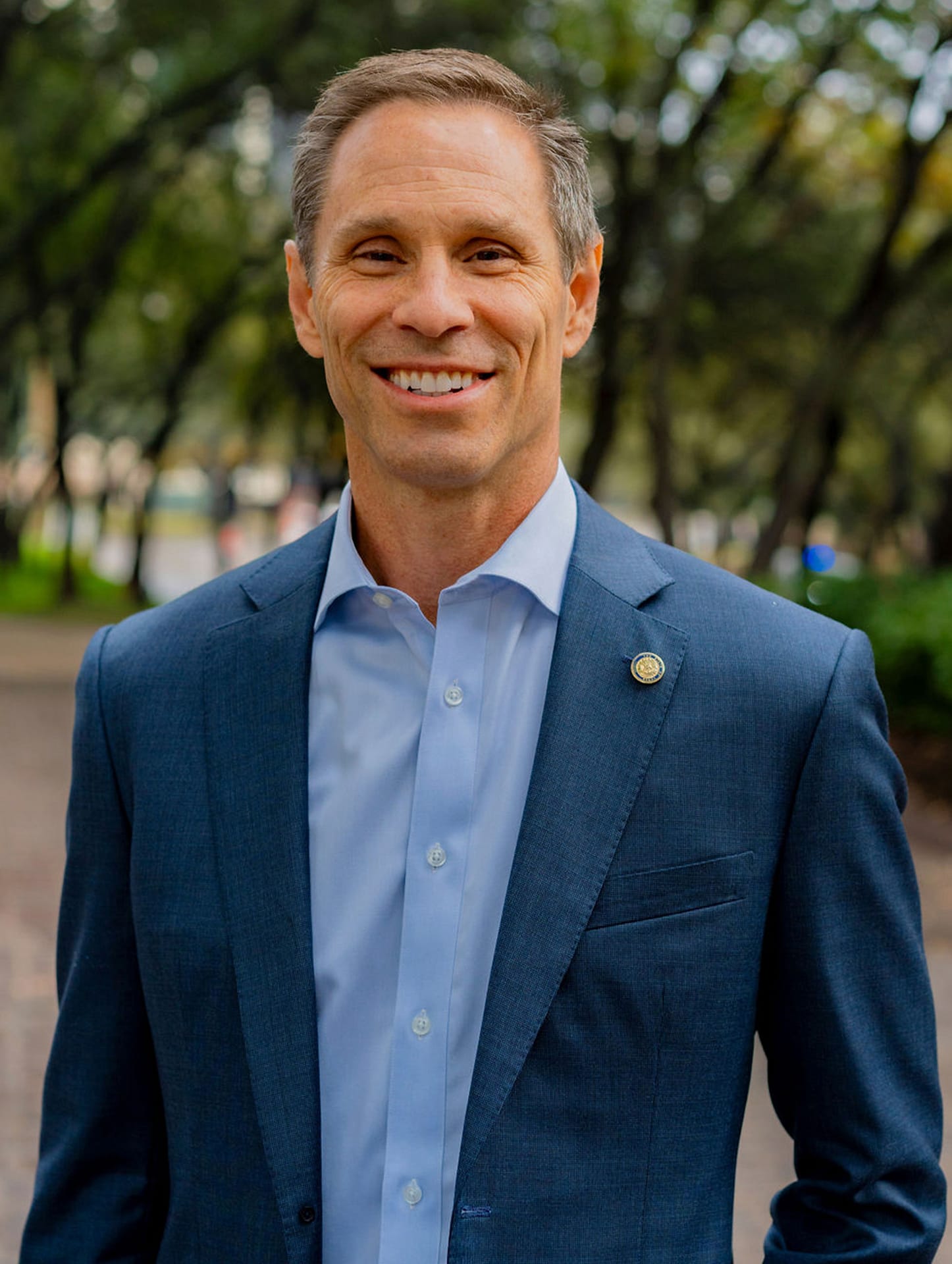
What would your top priorities be if elected?
Rebuild the Attorney General’s Office with top talent; consumer protection against predatory practices like fraud and AI scams; enforce anti-monopoly laws to counter and market consolidation; making government work by defending rights, enforcing laws, partnering with district attorneys to improve public safety.
What would you like to see the Office of the Attorney General do in collaboration with local law enforcement and local government attorneys?
Foster cooperation, provide resources and expertise, and advise on developments in the law. I’ll partner with communities, local governments, law enforcement, DA’s and civil rights groups to ensure that we improve public safety and the justice system.
What priorities would you focus on when it comes to the OAG’s goal of promoting transparency and public access to government?
I will apply the law consistently and without bias, articulate clearer standards for how cases are evaluated, and work within the bounds of the law to ensure public access to public information. As a state senator, I have filed several bills (and passed one of them) aimed at making government …
How would you decide which litigation to pursue on behalf of the state?
Does the action harm Texans? Does it violate the law? Can I prove it?
What do you see as the greatest challenge for Texas in the next five years?
The failure to recognize the need to build social, physical, and governmental infrastructure that confront the change that’s coming at us hard and fast. With frail and fragile systems, any change can have devastating consequences—economic and social.