


On May 26, Democratic voters will choose their nominee for Texas lieutenant governor in a runoff election between state Rep. Vikki Goodwin, D-Austin, and union leader Marcos Vélez.
The big picture
The Democratic race for lieutenant governor is one of several statewide contests that advanced to May runoffs after no candidate received more than 50% of the vote in the March 3 primary election.
Goodwin and Vélez were the two highest-performing candidates in the three-person primary race, with Goodwin collecting 48% of the vote and Vélez receiving 31%. The winner of the May 26 overtime round will face incumbent Dan Patrick and potential third-party candidates in the November midterm election.
The lieutenant governor leads the Texas Senate and can exercise the powers of the governor if the governor dies, resigns, is removed from office or is absent from the state, according to the Texas State Historical Association.
Preparing for the polls
Texans can vote early in the runoff election from May 18-22. Runoff elections, like primaries, are separated by political party, meaning Texans who voted in one party’s primary this March may only vote in the same party’s runoff. Individuals who did not participate in the March primaries or a third-party nominating convention can vote in either party’s runoff this May.
Runoff election day is May 26. For more information about the state and local races on your runoff ballot, visit communityimpact.com/election.
What you need to know
The original version of this election questionnaire was published Jan. 27, ahead of the March 3 primary election. Community Impact is republishing Q&As for five statewide runoff races, with the goal of providing a side-by-side, equitable resource for Texas voters to review candidates’ perspectives as they prepare to head to the polls this month.
This Q&A was updated to remove Courtney Head, a Democratic candidate who did not advance to the May 26 runoff, but candidates’ answers were not changed from the originally published article.
Candidates were asked to keep responses under 50 words, answer the questions provided and avoid attacking opponents. Answers may have been minimally edited or cut to adhere to those guidelines, or for style and clarity.

What would your top priorities be if elected?
My top priorities are: 1) Public education: increase funding, end private school vouchers; 2) Health care: ensure people can access the care they need affordably; 3) Housing: work towards greater affordability, better opportunities for home ownership; and 4) Water: ensure we can meet our water needs without increasing cost.
What will your priorities be regarding property taxes and housing affordability?
I will prioritize the state being a better financial partner, so local communities don’t have to rely as heavily on property taxes. The state should provide 50% of school funding. Housing affordability is a function of supply not meeting demand. I will prioritize incentivizing building of starter/“missing middle” homes.
What will your priorities be for the future of Texas education?
We need to simplify the funding formula, increase the basic allotment, and have it set to automatically keep pace with inflation. Teachers should have smaller class sizes, more planning time, and more input on student achievement measurements. We should remove high-stakes testing and reform our accountability system.
What projects are most important for the legislature to focus on for the future of Texas?
Infrastructure projects are critical for the legislature to focus on. As the state grows, we cannot neglect our roads, bridges, water and energy. We need to maintain aging infrastructure and build new. Water, in particular, must be addressed as we continue to see cities struggling to keep up with demand.
What do you see as the greatest challenge for Texas in the next 5 years?
Affordability and a stagnant economy, or recession, may be the greatest challenge we face in the coming years. Policies around the minimum wage, insurance costs, AI, housing, and more can help navigate tough economic times. Maintaining a strong education system, building infrastructure and wise spending will be critical.
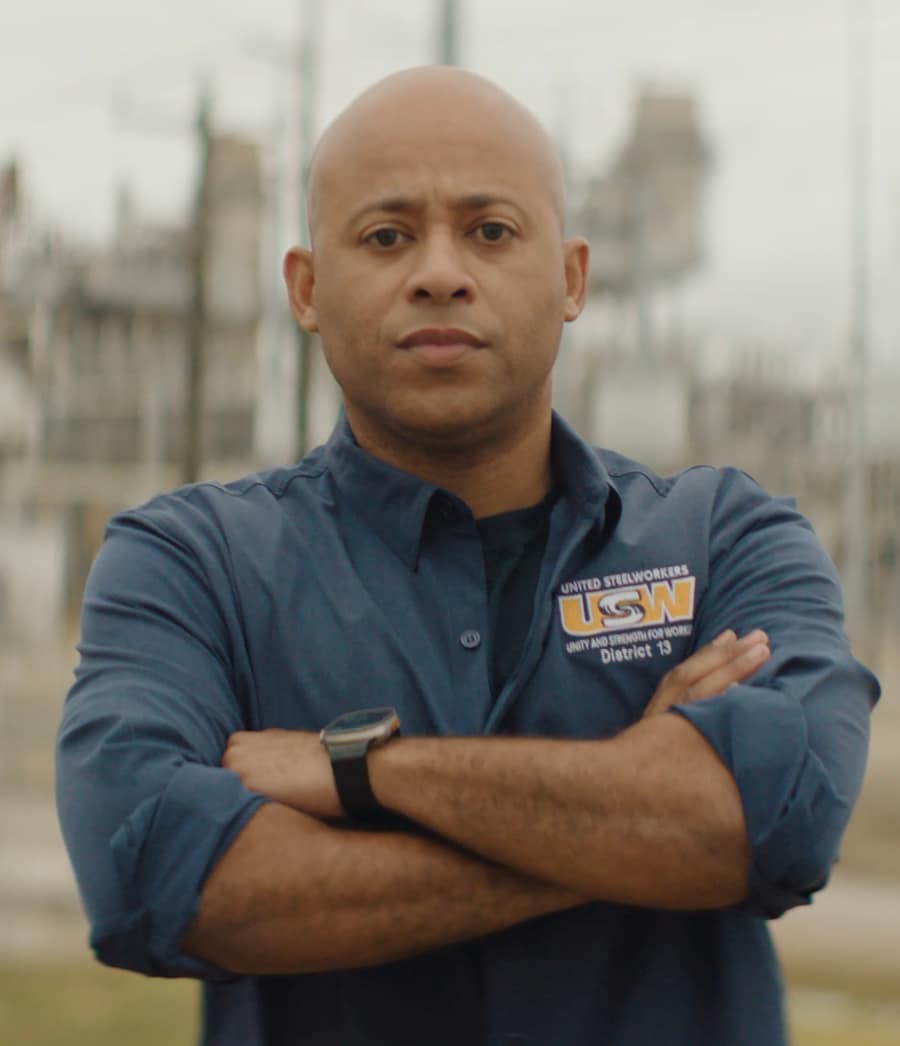
What would your top priorities be if elected?
My priorities are lowering the cost of living, raising wages, and fully funding public education and workforce development. I bring a proven record of negotiating better pay, benefits, and safety standards, and I will use that experience to deliver results for working Texans statewide.
What will your priorities be regarding property taxes and housing affordability?
I will shift property tax relief toward homeowners and renters by expanding renter tax credits and circuit breaker programs. I support policies that lower housing costs, encourage construction near jobs and transit, and prevent speculative practices that drive prices beyond what working families can afford.
What will your priorities be for the future of Texas education?
Texas must fully fund public schools, pay teachers competitively, expand career and technical education, and protect local control. Our education system should prepare students for good jobs or higher education while strengthening neighborhood public schools and rejecting voucher schemes that drain public resources.
What projects are most important for the legislature to focus on for the future of Texas?
When I’m lieutenant governor, the legislature will focus on raising wages, grid reliability, workforce pipelines, and water security. That means raising the minimum wage, investing in transmission and storage, expanding apprenticeship and training programs, modernizing water infrastructure, and planning for long-term population growth and climate resilience.
What do you see as the greatest challenge for Texas in the next 5 years?
The greatest challenge Texas faces is a rising cost of living that continues to outpace wages. Addressing affordability requires raising pay, strengthening worker protections, and ensuring economic growth benefits people who work for a living, not just those at the top.