


For the first time in over a decade, there is no incumbent in the Texas attorney general’s race as Republican Ken Paxton runs for U.S. Senate. Candidates on both sides of the aisle will compete in runoff elections May 26 after no candidate received more than 50% of the vote in the March 3 primaries.
State Sen. Mayes Middleton of Galveston and U.S. Rep. Chip Roy of Austin are each seeking the Republican nomination for the seat.
The overview
Middleton and Roy were the two highest-performing candidates in a four-person primary race. Middleton received 39% of the vote March 3 and Roy collected 32% of the vote.
The winner of the May 26 overtime round will face the Democratic nominee and potential third-party candidates in November.
Whoever is elected the next state attorney general will serve as Texas’ top lawyer, defending the state in court, filing consumer protection lawsuits and issuing opinions interpreting state law. The agency also enforces Texas’ child support laws, investigates human trafficking cases and manages access to public records.
Preparing for the polls
Texans can vote early in the runoff election from May 18-22. Runoff elections, like primaries, are separated by political party, meaning Texans who voted in one party’s primary this March may only vote in the same party’s runoff. Individuals who did not participate in the March primaries or a third-party nominating convention can vote in either party’s runoff this May.
Runoff election day is May 26. For more information about the state and local races on your runoff ballot, visit communityimpact.com/election.
What you need to know
The original version of this election questionnaire was published Jan. 21, ahead of the March 3 primary election. Community Impact is republishing Q&As for five statewide runoff races, with the goal of providing a side-by-side, equitable resource for Texas voters to review candidates’ perspectives as they prepare to head to the polls this month.
This Q&A was updated to remove Joan Huffman and Aaron Reitz, the two Republican candidates who did not advance to the May 26 runoff. Candidates’ answers were not changed from the originally published article.
Candidates were asked to keep responses under 50 words, answer the questions provided and avoid attacking opponents. Answers may have been minimally edited or cut to adhere to those guidelines, or for style and clarity.
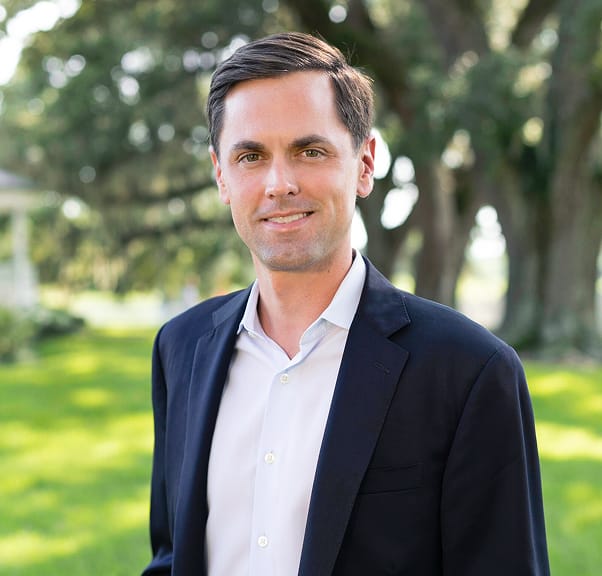
What would your top priorities be if elected?
Support Trump’s efforts to deport illegal immigrants, dismantle cartels and secure elections through dedicated divisions, root out corruption via an anti-corruption team, protect families from woke agendas, be tough on crime by supporting law enforcement. I’ll fight relentlessly to make Texas the safest state in America.
What would you like to see the Office of the Attorney General do in collaboration with local law enforcement and local government attorneys?
Our laws and Constitution are not suggestions. I will provide legal support, training, and resources for border security and election integrity; form joint task forces against cartels, trafficking, and corruption; defend locals from federal overreach with opinions and litigation; hold rogue prosecutors accountable through enforcement and removal.
What priorities would you focus on when it comes to the OAG’s goal of promoting transparency and public access to government?
Issue timely opinions with public summaries and searchable databases; publish detailed quarterly budget reports on expenditures and settlements; ensure prompt PIA responses with minimal delays and an online tracking portal; release annual transparency reports; prosecute open government violations. Government must operate fully in the sunlight for Texans.
How would you decide which litigation to pursue on behalf of the state?
Prioritize cases that defend Texas sovereignty, secure borders, uphold election integrity, protect conservative values and protect children from harm, and combat fraud or abuse in government. I will protect, defend and enforce our laws and Constitution and set the conservative agenda for our great state.
What do you see as the greatest challenge for Texas in the next five years?
We don’t have another Texas to move to, and the left is trying to drag our state down like California. As a seventh-generation Texan, I will never relent in protecting our Texas exceptionalism, our conservative values and keeping our families safe. This spiritual battle, for our kids, is paramount.
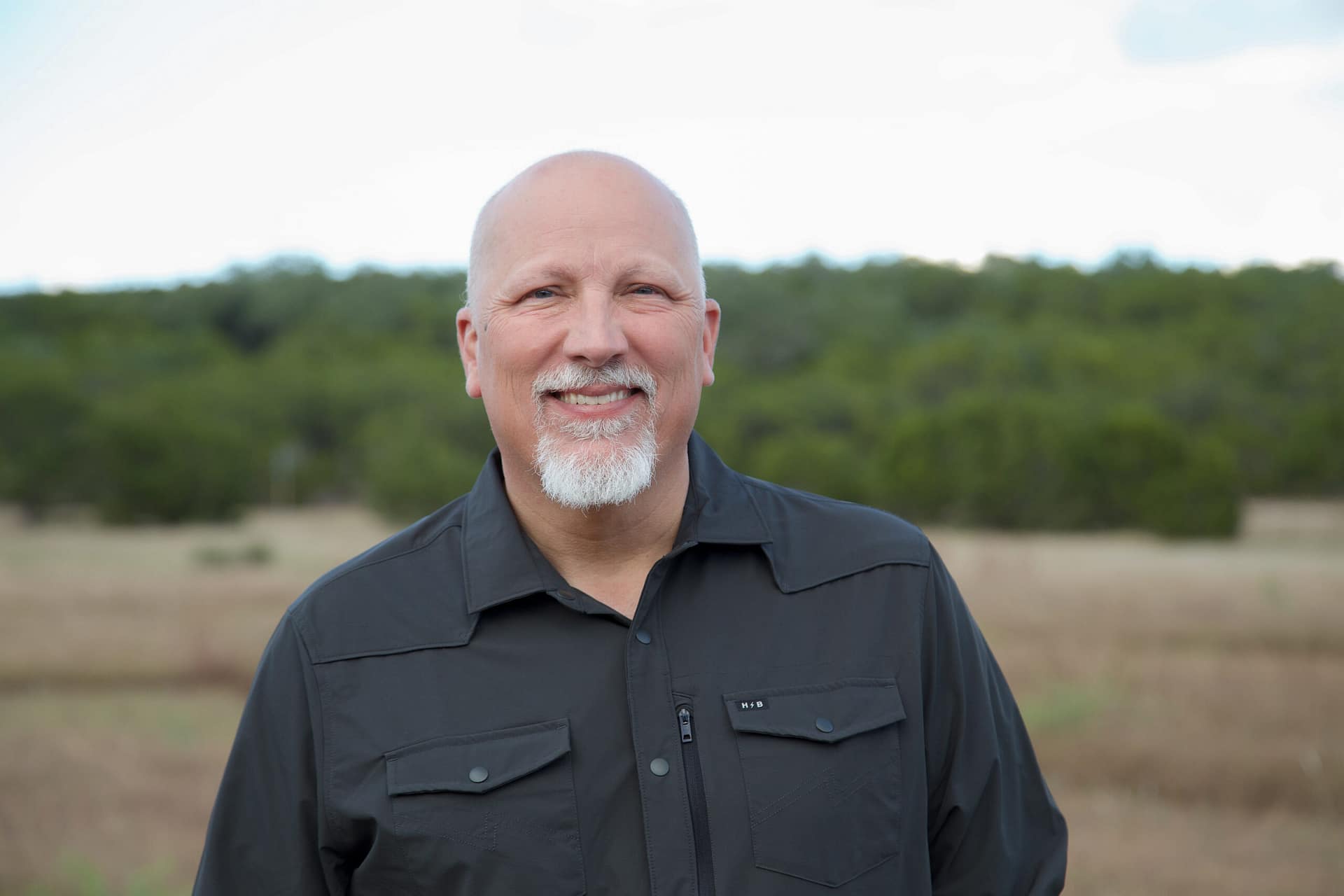
What would your top priorities be if elected?
Dismantle trafficking and open border operations, aggressively pursue election and public corruption fraud, expose leftist dark money and Islamist networks, and rein in rogue prosecutors who refuse to enforce the law. Secure the border, secure our streets, defend Texas sovereignty, and ensure Texans own Texas, not multinational corporations.
What would you like to see the Office of the Attorney General do in collaboration with local law enforcement and local government attorneys?
Serve as a force multiplier, supporting investigations and prosecutions of fraud, cartel activity, Islamist networks, and corruption. Provide legal authority, intelligence coordination, and litigation support so local officials can enforce the law.
What priorities would you focus on when it comes to the OAG’s goal of promoting transparency and public access to government?
Expose fraud, dark money pipelines, nonprofit fronts, and bureaucratic shielding that hide corruption and lawlessness. Enforce open records and open meetings laws aggressively so Texans can see who is funding or profiting from policies that undermine public safety and sovereignty.
How would you decide which litigation to pursue on behalf of the state?
I will pursue litigation that stops fraud, protects public safety, and defends Texas sovereignty against cartel facilitation, election abuses, extremist activity, rogue prosecutors, and unconstitutional federal mandates and overreach. If Texas law is being violated and we have authority, we will act decisively.
What do you see as the greatest challenge for Texas in the next five years?
The normalization of lawlessness, fraud embedded in elections and government, cartels and foreigners exploiting open borders, extremist networks operating inside Texas, dark money funding chaos, and prosecutors refusing to act. If lawlessness goes unpunished, the rule of law collapses.