


For many students, robotics begins with a machine. At Kids Robotic Academy, it begins with confidence.
Founded in 2012, the Houston-based academy has evolved from a robotics, A.I and research program into a broader STEM learning environment for K-12 students and training program for teachers, educators and adults.
Before students build competition robots, mobility aids or engineering projects, instructors focus on developing problem-solving, communication and confidence. As the program has expanded into bioengineering and underwater robotics, leaders say the mission remains the same: helping students apply what they learn in meaningful, real-world ways and bridging the gap of technology by hands-on program for giving the edge to students technical skills for career and college readiness.
“We don’t wait for opportunities,” owner Darakhshan “Dee” Memon said. “Students need them now.”
More than robotics
At a time when many families are looking for programs that combine education with practical life skills, Kids Robotic Academy has evolved into something broader than a traditional robotics class.
The academy’s K-12 core offerings include:
- STEM classes
- Summer and online camps
- Homeschool programs
- STEM-themed birthday parties
- Continuing education opportunities
- Competitive Robotics and CTE programs 6th through 12th grade as core or auxiliary classes
Students can explore disciplines from robotics engineering and underwater robotics to bioengineering and competition-based STEM learning.
Students typically learn in groups of six to eight per class, allowing instructors to tailor lessons based on individual growth, comfort levels and goals. Parents can communicate what they hope their child gains, such as stronger communication skills, improved focus, teamwork or advanced engineering exposure.
Instead of a rigid curriculum, instructors adapt the learning experience to fit students’ best learning methods. Leaders say the focus is not just on teaching technical skills, but on helping students build confidence, problem-solving abilities and real-world readiness.
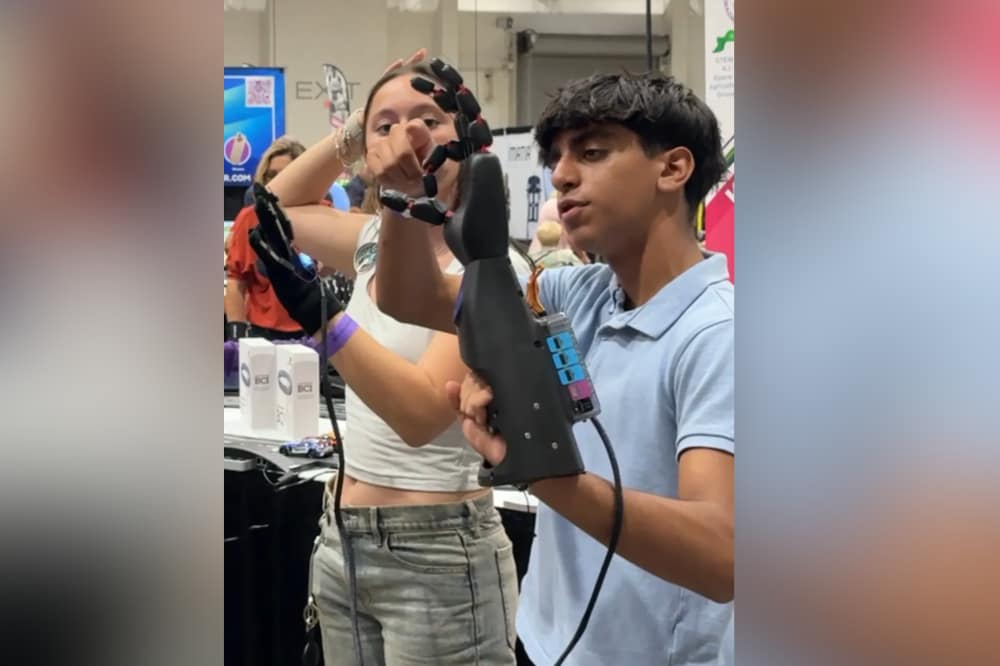
Built for and around students
That flexibility is crucial for students with special abilities. Academy leaders avoid defining children by disabilities, focusing on strengths, growth and confidence building.
Hands-on projects support technical learning and developmental growth, including sensory and motor skill engagement.
Educators say the program helps students:
- Develop problem-solving skills
- Strengthen communication and teamwork
- Build confidence and independence
- Improve sensory and motor skills
- Apply classroom learning practically
- Explore leadership opportunities
- Gain exposure to STEM careers
- Prepare for college and career pathways
- Learn collaboration through competitions and team projects
The academy’s philosophy is centered on guidance rather than pressure.
Organizers say instructors work closely with students and families to create an environment where children feel supported instead of overwhelmed.
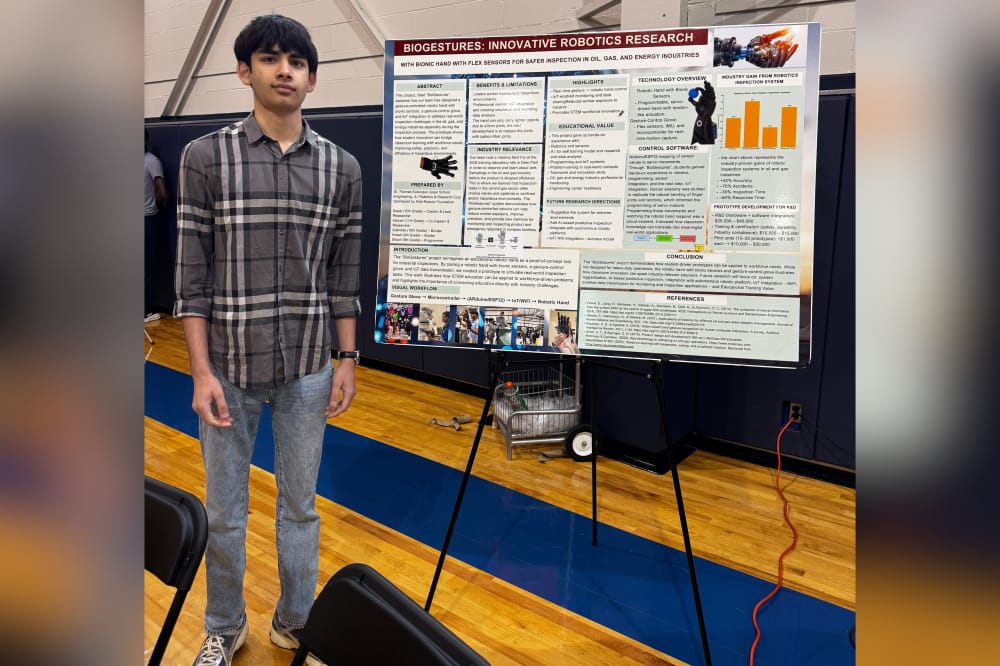
Learning with purpose
During the school year, from August to May, students explore robotics and STEM before selecting specialized pathways and competition tracks.
By late summer and early fall, students form teams based on their interests and strengths. Some pursue engineering and design, while others focus on judging, presentation, documentation and strategy.
Summer programs offer another entry point for families.
- Five-day weekly camp options
- Beginner-friendly robotics experiences
- Specialty STEM camps with FIRST TECH CHALLENGE VEX ROBOTICS, Drone, Microbits and arduino, 3D fabrication and many more.
- Battle Bots competitions at the end of camp sessions
- Team-based engineering projects
- Reduced-cost options for lower-income families
The academy says accessibility remains important because exposure to STEM opportunities can shape long-term confidence and career readiness. That focus extends beyond competitions and technical skills.
Earlier this year, students participated in a disability expo showcasing mobility aids they designed and built—an experience that connected engineering to community impact.
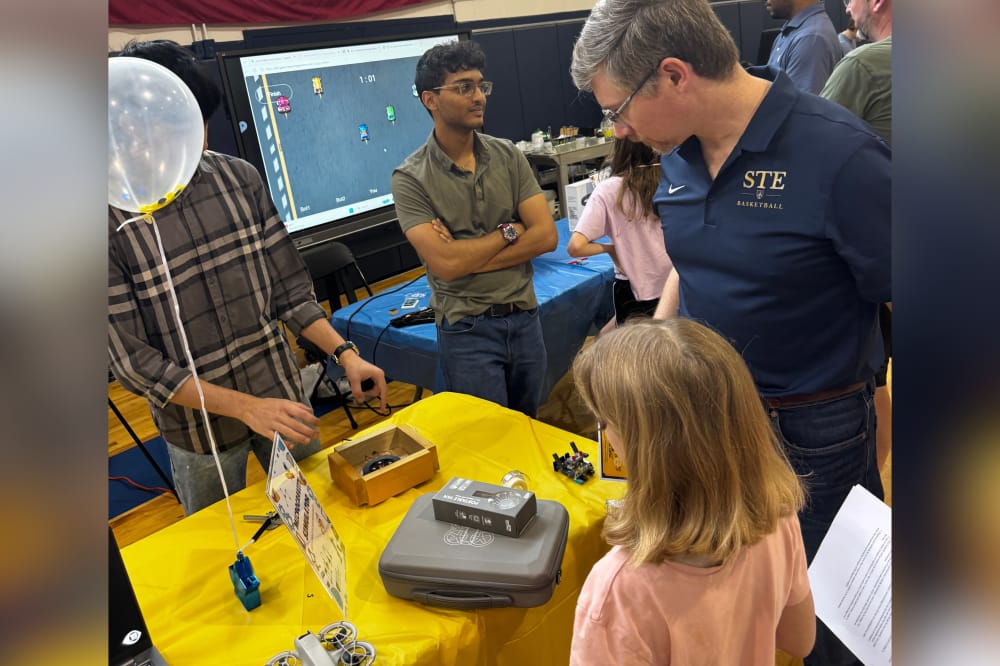
Educated by the best
Part of the academy’s foundation comes from the experience behind it.
Program leaders previously worked in Houston ISD and other educational programs before building Kids Robotic Academy into an independent learning organization. They say years spent with students shaped a model centered on educational rigor and emotional support.
The academy partners with Houston-area schools to provide auxiliary robotics and STEM services.
Leaders say the program has been refined over time, with educators continuously improving curriculum quality, student engagement and career readiness opportunities.
Its instructors are professionals and experts who maintain close connections with students and families while encouraging steady growth.
“We’ve watched students walk in unsure of themselves and leave confident to pursue places like MIT, Yale and Princeton—not just because they learned robotics, but because they learned their capabilities,” Memon said.
Expanding in Houston
Now operating in Bellaire and expanding into Fairbanks, Kids Robotic Academy continues growing alongside increasing interest in hands-on STEM education in Houston.
Despite advancements in robotics and engineering, the academy’s leaders say the goal remains simple: helping students recognize their potential.
For some children, that begins with coding a robot. For others, it starts with finding a learning environment suited to their learning styles.
Either way, educators say the lessons often extend beyond technology.
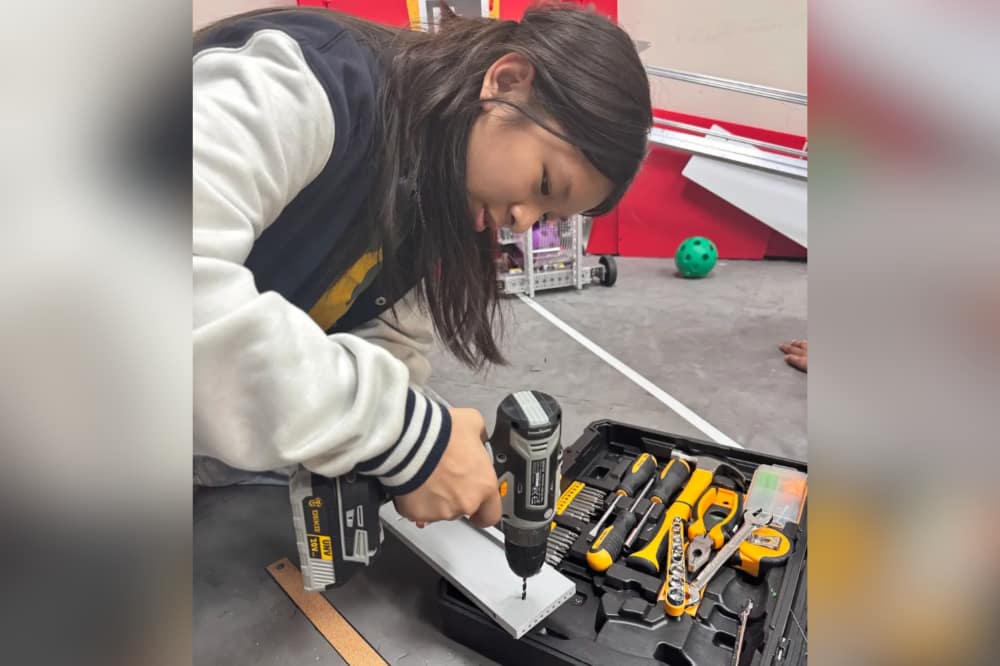
Interested? Learn more here
Leaders say the impact of Kids’ Robotic Academy is best understood in person, where students can be seen building, problem-solving and gaining confidence in real time.
“We don’t wait for opportunities; students need them now,” Memon said. “When you see the impact firsthand, you understand why. You have to see it to believe it.”
Locations include:
- Kids Robotic Academy: 4007 Bellaire Blvd., Ste. KK, Houston
- St. Thomas Episcopal: 4900 Jackwood St. Houston
- Immersive Camp 2026: 6309 Guhn Road, Houston
Families interested in learning more can visit Kids Robotic Academy or email [email protected].
Reach out to Dee Memon directly if you like to bring to your school or location for summer or school year program (core or auxiliary) or afterschool club [email protected] or call 713-454-7004.
The above story was produced by Multi-Platform Journalist Chloe Chapel, with the Community Impact’s Storytelling team, using information solely provided by the local business as part of their “sponsored content” purchase through our advertising team.